

EXCURSION DESCRIPTION
We depart from your hotel to the Port of Los Cristianos. There, the “Fred Olsen” ferry awaits us to take us to San Sebastián de La Gomera, the capital of the island.
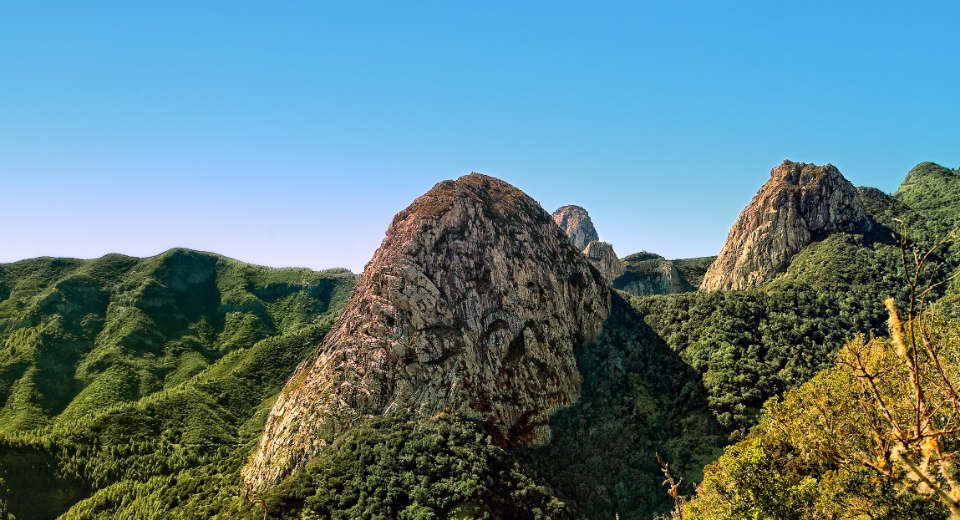
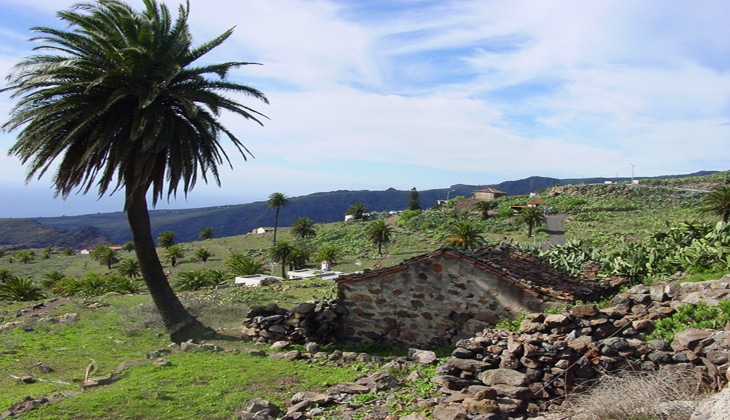
Once in La Gomera, we will take the southern route and make a brief stop next to the Roque de Agando, a curious rock formation typical of the island. Its origin is the magma from the volcanoes that shaped the island and that, over time, has been eroded to what we can see today. Becoming a unique witness to what happened in La Gomera millions of years ago and giving us spectacular views, especially from the base of the Roque.
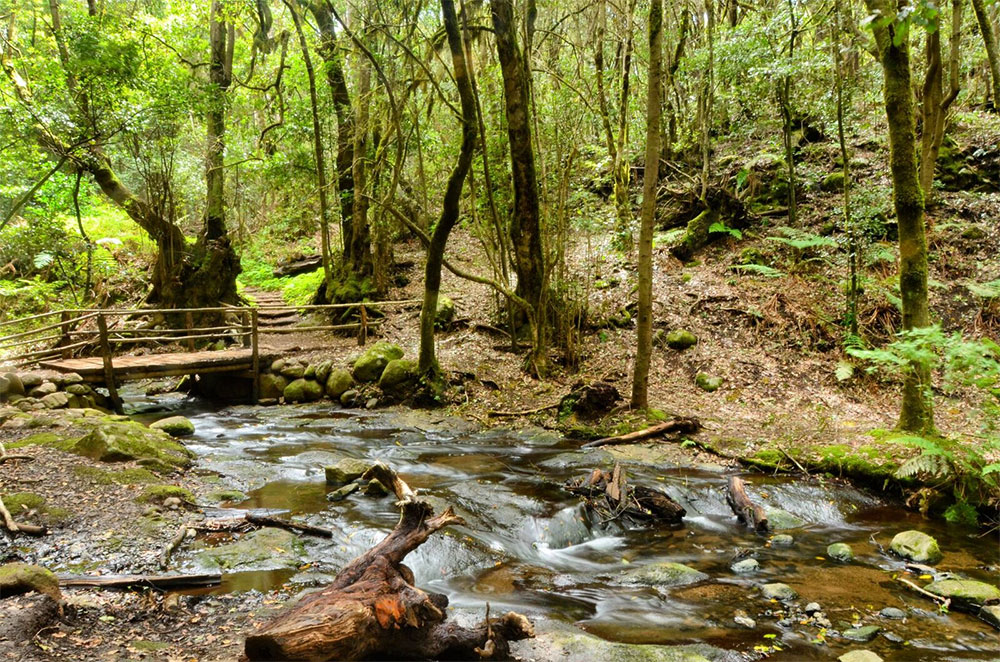
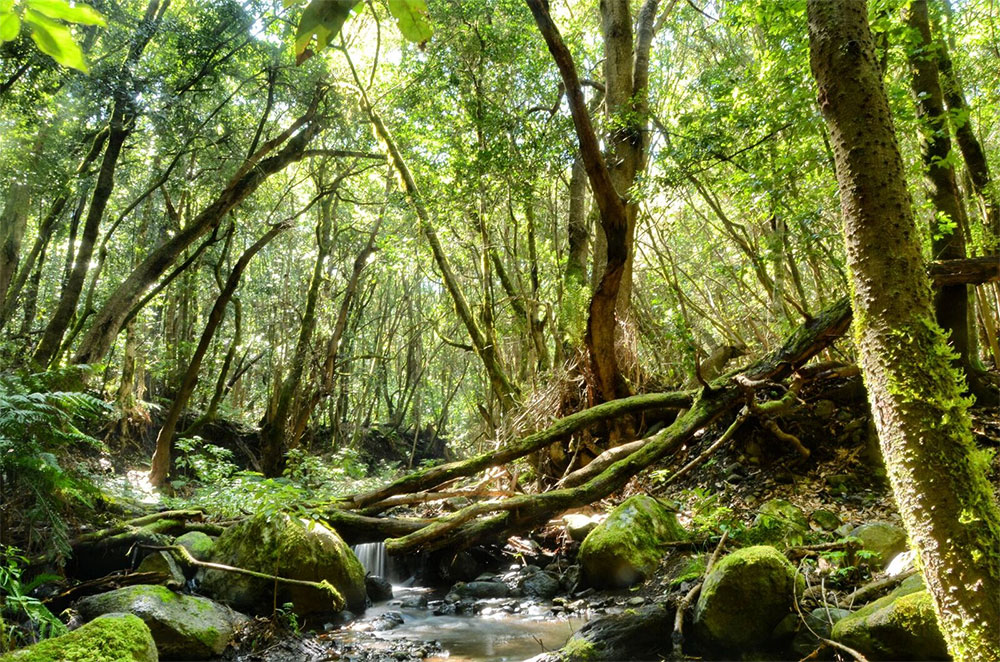
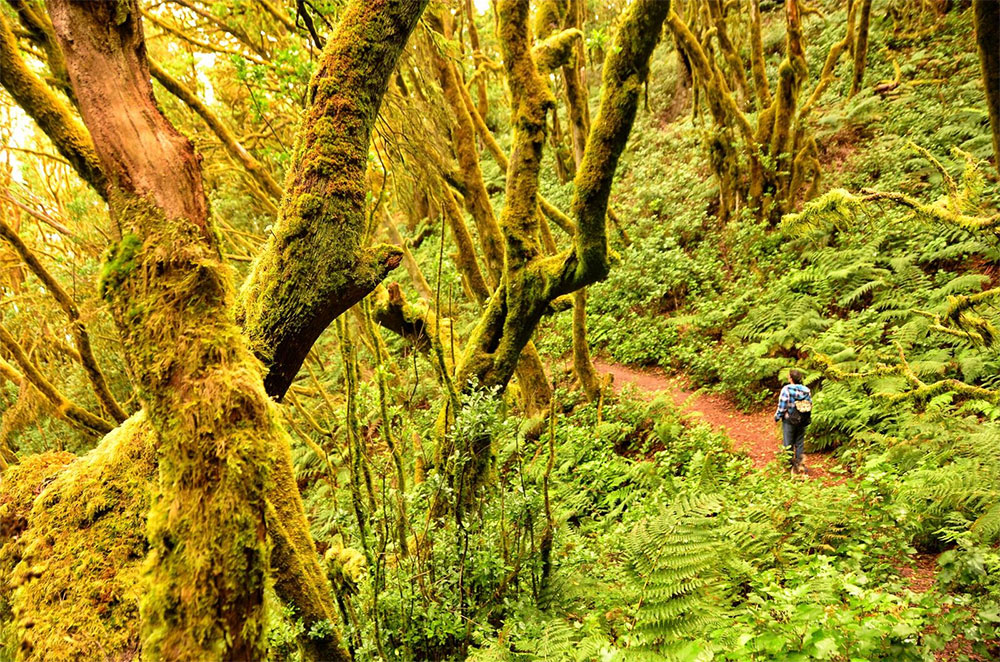
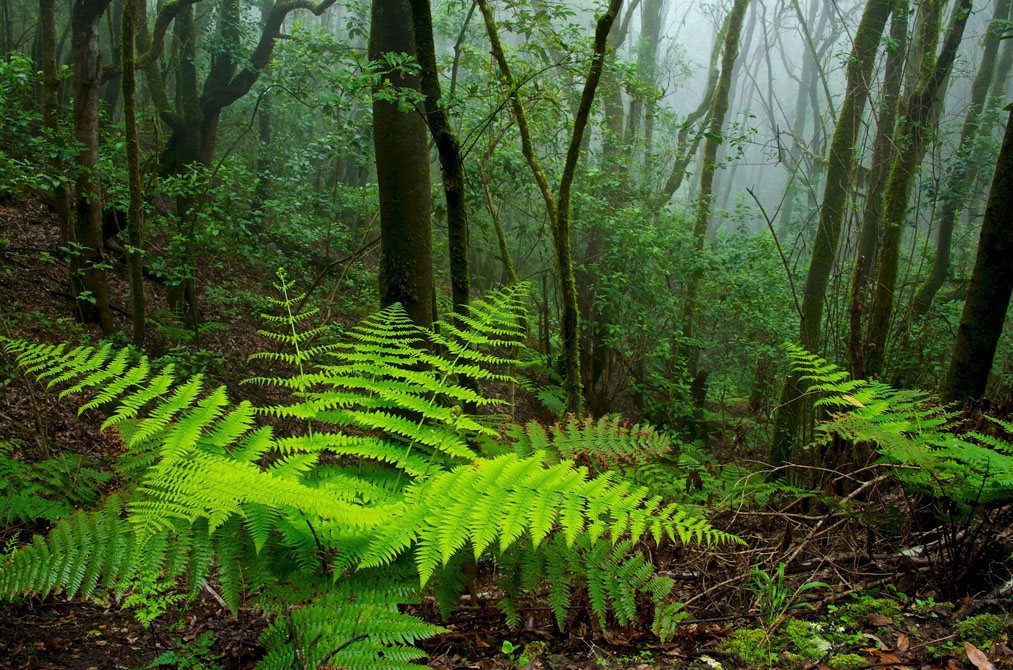
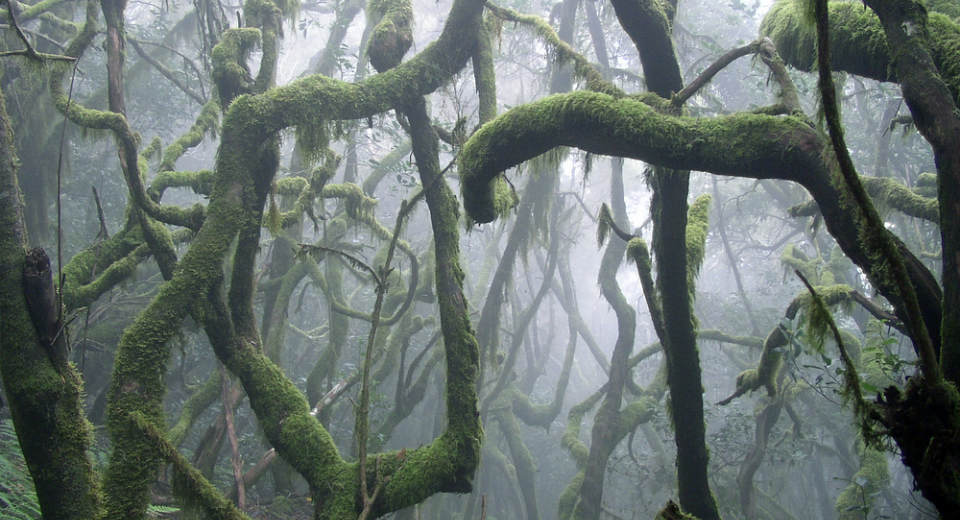
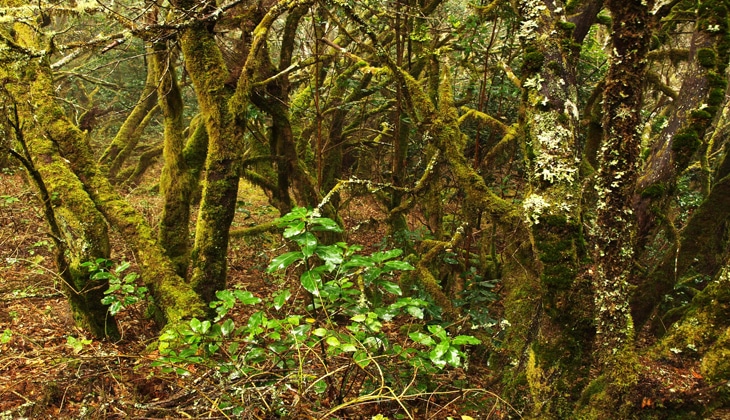
We will continue to the heart of the Garajonay National Park, which contains one of the most important laurel forests in the Canary Islands and, therefore, in the world. It was declared a World Heritage Site by UNESCO in 1986. We will take a leisurely walk enjoying the forests of the National Park, witnessing the contrast between the evergreen and lush forest and the arid surrounding landscapes of the island. An authentic relic of the past that preserves part of the flora that inhabited the Mediterranean lands during the Cenozoic Era (formerly known as the Tertiary Era) and that disappeared from continental Europe due to climate changes that barely affected the islands due to their remote geographical location. A unique experience where you will feel a powerful connection with the majesty and tranquility of wild nature.
Through these impressive virgin landscapes, we will arrive at the Las Rosas Restaurant, a cozy place where you can taste the exquisite Gomera cuisine with the best service in a family atmosphere, unique and typical of the island. (Lunch included in the price).
After lunch, we will appreciate the secrets of the Silbo Gomero language. A whistled language of the island which reproduces with whistles the language spoken by the islanders: Spanish. Transmitted from teachers to disciples over centuries, it is the only whistled language in the world fully developed and practiced by a large community of more than 22,000 people.
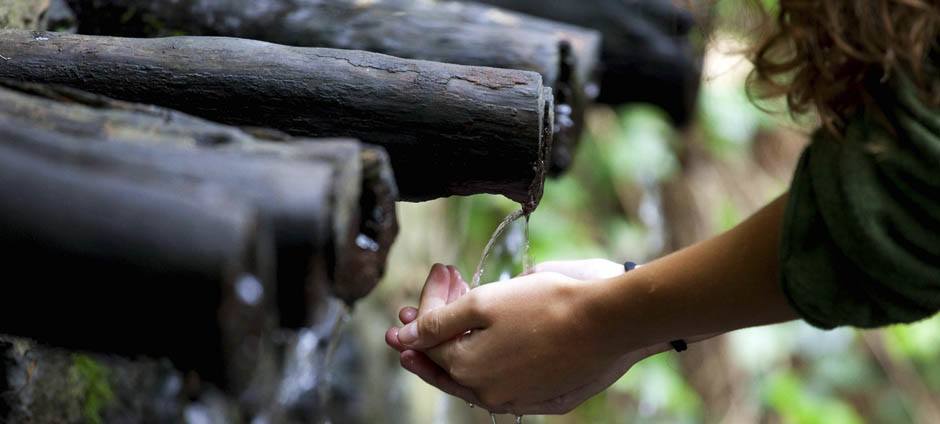
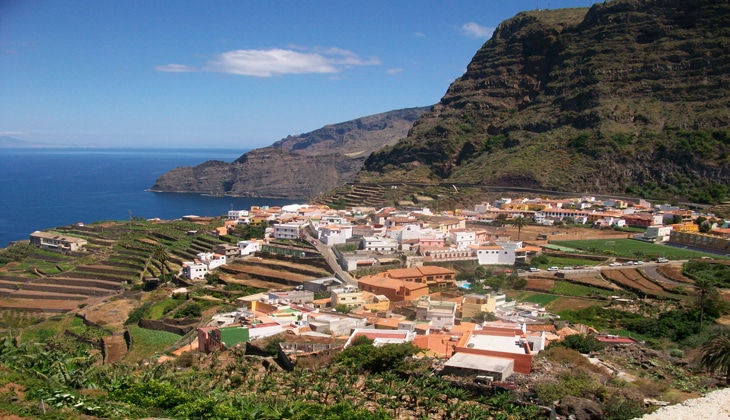
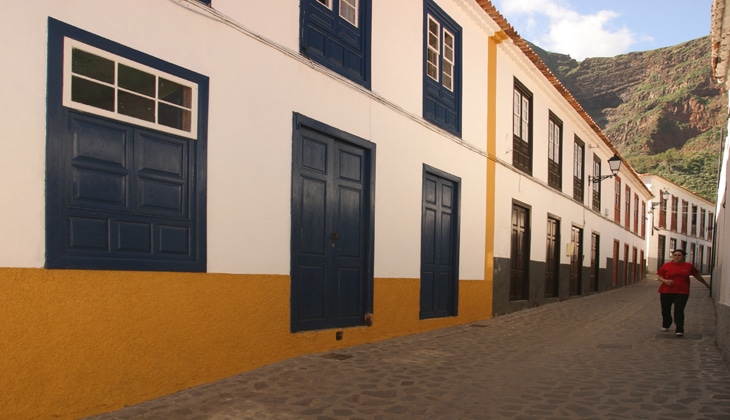
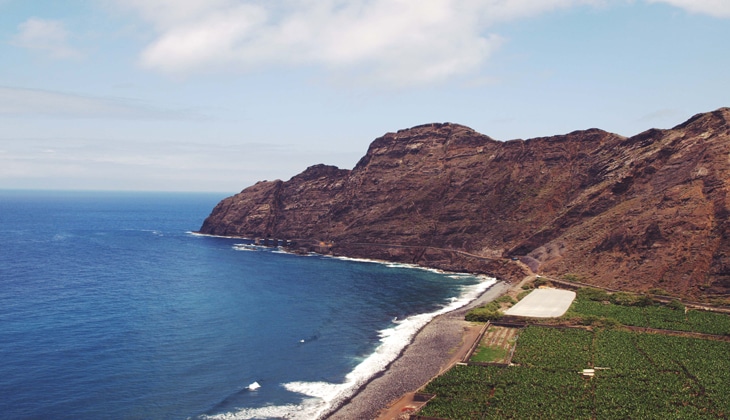
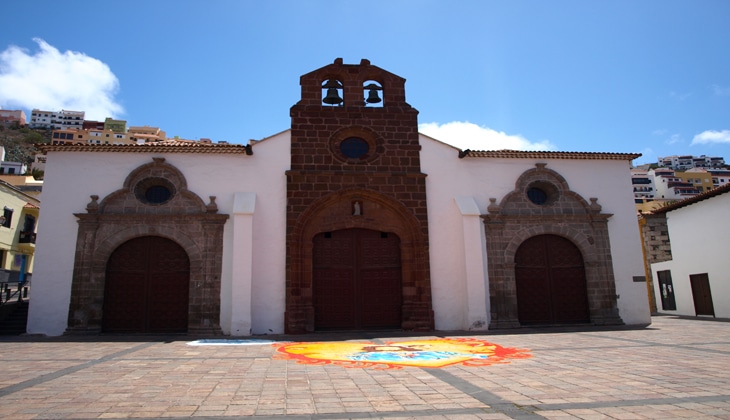
We continue our route through Agulo, a beautiful northern municipality open to the Atlantic Ocean, with the peak of El Teide always present in its landscapes. Agulo is full of pleasant cobbled streets and beautiful tiled houses with self-consumption orchards around them. We will return to the capital of the island, San Sebastián, a city full of culture and tradition. Its old town has more than five hundred years of history. The trace of Christopher Columbus’ passage to the discovery of the “New World” and the conquest of the island by the kingdom of Castile, makes San Sebastián a unique and special place in the Canary Islands and in the history of civilization. As traces of its history, the Torre del Conde stands out, a fortress of medieval origin and the oldest construction preserved in the Islands; the church of Nuestra Señora de la Asunción, where we can delight ourselves with the result of the mixture between the Gothic and Canarian style, a true museum of sacred art; the hermitage of San Sebastián, built around 1530 or the so-called Casa de la Aguada, with its well, from where the legend tells that Christopher Columbus took the water with which the new continent was baptized. San Sebastián de La Gomera keeps in its hermitage of Puntallana the patron saint of the island, the Virgen de Guadalupe, who every five years goes in procession to all the municipalities of La Gomera, attracting thousands of faithful and curious people to its festivities. San Sebastián is an exceptional place that has very good examples of its past. Dotted with beautiful buildings of traditional Canarian architecture, with architectural examples that will reveal its great religious, social, political and military activity that have been protagonists of this settlement of more than five centuries of antiquity.
Finally, we will go to the dock to take the “Fred Olsen” boat to the port of Los Cristianos. Perhaps during the journey, with a little luck, we can find the pilot whales or dolphins that inhabit the waters that bathe La Gomera.